

Marathon and Ironman training require more than “eating healthy” or just copying what works for other athletes. Proper fueling supports energy levels, recovery, and long-term performance. Our Registered Dietitians at Nepean Sports Medicine and Physiotherapy Centre can help endurance athletes build a nutrition plan specific to their body, training schedule, and race goals.
So, you've signed up for a marathon or an Ironman. Maybe you've told your friends, updated your Instagram bio, and ordered a new pair of shoes. Now comes the part most athletes underestimate: fueling your body the right way.
Training for endurance events like a marathon (42km) or Ironman (3.8km swim + 180km bike + 42km run) isn't just about logging the miles — it demands a precise, personalized nutrition strategy. At Nepean Sports Medicine & Physiotherapy Centre, our Registered Dietitians (RDs) work with endurance athletes across Nepean, Barrhaven, and Ottawa to build sport nutrition plans that match the real demands of your training schedule and race-day goals.
Marathon vs. Ironman: Why Your Nutrition Plan Can't Be One-Size-Fits-All
Both events are extraordinary physical feats — but their nutrition demands are very different. A marathon is a pure running event lasting anywhere from 2 to 6+ hours, while an Ironman is a full-day triathlon combining three disciplines across approximately 226km. The caloric burn, fluid loss, and recovery requirements for each are unique to the athlete and the event.
Think of your body like a car: the further the distance, the more fuel it needs — and the more critical it is that you're using the right fuel. Running on empty — or on the wrong mix — doesn't just hurt your performance. It can sideline you entirely.
The Three Pillars of Endurance Nutrition
Whether you're running the Ottawa Marathon or competing in an Ironman, three macronutrients form the foundation of your sport nutrition plan:
Carbohydrates: Your Primary Fuel Source
Carbohydrates are the most efficient energy source for endurance exercise and should make up the largest portion of your training diet. Think oats, rice, sweet potatoes, fruits, and whole grain bread. During long training sessions and on race day, your ability to top up glycogen stores can be the difference between a strong finish and hitting the wall.

Protein: Your Recovery Partner
Endurance athletes have higher protein needs than most people realize. Long-distance running and triathlon training increase the rate at which your body breaks down muscle protein — which means you need adequate intake to rebuild and repair. Protein also supports immune function, which can take a hit during high-volume training weeks. Eggs, fish, lean meats, soy, and legumes are excellent sources.

Healthy Fats: Sustained Energy & Overall Health
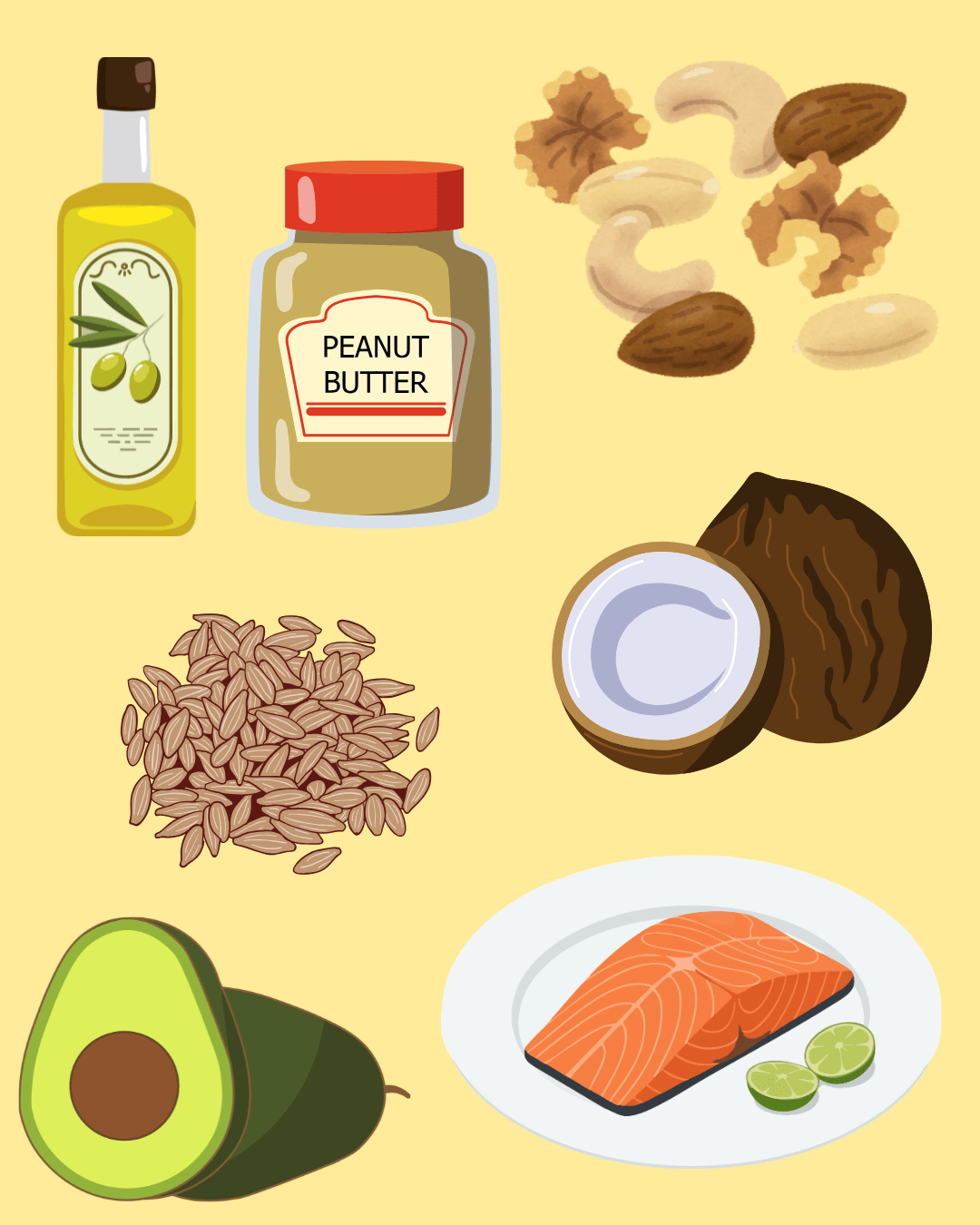
Fats provide long-lasting energy and support hormone health, joint function, and absorption of key vitamins. Prioritize quality sources like avocados, nuts, olive oil, and flaxseed — especially on your longer training days.
Hydration & Electrolytes: More Than Just Drinking Water
Proper hydration is essential for maintaining performance, preventing cramping, and supporting recovery. But here's what many athletes get wrong: hydration isn't just about water volume — it's about electrolyte balance.
Sodium, potassium, magnesium, and calcium all play a role in muscle function and fluid regulation. An Ironman athlete sweating through a hot summer race in Ottawa will have vastly different fluid and electrolyte needs than someone running a cool-weather half-marathon in Barrhaven. A Registered Dietitian can help you build a hydration protocol tailored to your sweat rate, training volume, and race conditions.
What Our Registered Dietitians Do for Endurance Athletes
Our RDs at Nepean Sports Medicine & Physiotherapy Centre don't hand you a generic meal plan and send you on your way. Every athlete's body, schedule, and goals are different — so every plan we build is individualized. Here's what working with our team looks like:
- Performance-Focused Fueling: We guide you on exactly what to eat and drink before, during, and after training — and how to execute a race-day nutrition strategy you've actually practiced.
- Recovery & Injury Support: Nutrition plays a direct role in how fast you bounce back from hard efforts. Our RDs provide targeted recommendations to reduce inflammation, support muscle repair, and keep you on track with your training schedule.
- Sustainable Habits for Long-Term Success: Race prep ends at the finish line — but healthy eating habits are for life. We help you build consistent, realistic strategies that work for your lifestyle, not just your training block.
- Virtual or In-Clinic Appointments: We offer the flexibility of predominantly virtual sessions — perfect for busy training schedules — with in-person appointments available at our Nepean clinic for those who prefer it.
Training in Nepean, Barrhaven, or Ottawa? We've Got You Covered
Ottawa's endurance community is thriving — whether you're lacing up for the Ottawa Race Weekend, training along the Rideau River, or grinding out long rides through Barrhaven and the surrounding area, you deserve expert support from a team that understands both sport and science.
At Nepean Sports Medicine & Physiotherapy Centre, our Registered Dietitians work alongside our physiotherapists, massage therapists, and other healthcare professionals to offer truly integrated care. Whether you need a running gait assessment, treatment for a training injury, or a comprehensive nutrition strategy — we're your one-stop sports medicine clinic in Nepean.
Ready to Fuel Smarter?
Don't leave your race-day performance to guesswork. Whether you're a first-time marathon runner or a seasoned Ironman competitor, our Registered Dietitians are here to help you train smarter, recover faster, and cross that finish line feeling strong!
Book your Registered Dietitian consultation today — virtual and in-clinic appointments available.