

If you have attended physiotherapy before, you have likely received treatments like heat, ice, electrical stimulation, or ultrasound. These therapeutic modalities help reduce pain, promote healing, and support recovery. At Nepean Sports Medicine and Physiotherapy Centre, our physiotherapists select the most appropriate modalities based on your condition and combine them as appropriate with exercise, hands-on treatment, and education to help you get back to doing what you love!
What Are Therapeutic Modalities?
Therapeutic modalities are physical treatments that use heat, cold, sound waves, or electrical stimulation to help reduce pain, improve circulation, decrease inflammation, promote healing, and improve muscle function. Common modalities used in physiotherapy include:
Thermotherapy (heat therapy).
Cryotherapy (cold therapy).
Transcutaneous Electrical Nerve Stimulation (TENS).
Interferential Current (IFC).
Neuromuscular Electrical Stimulation (NMES).
Therapeutic Ultrasound.
Shockwave Therapy
Your physiotherapist will determine whether one or more of these treatments may benefit your recovery.
Thermotherapy (Heat Therapy)
Heat therapy is commonly used to help relax muscles, reduce stiffness, improve blood flow, and prepare tissues for movement or stretching. Examples include:
Heat Packs. Moist heat packs are placed over the affected area for approximately 10-20 minutes to help:
- Relax tight muscles.
- Decrease muscle spasms.
- Improve circulation.
- Reduce joint stiffness.
- Prepare muscles for exercise or manual therapy.
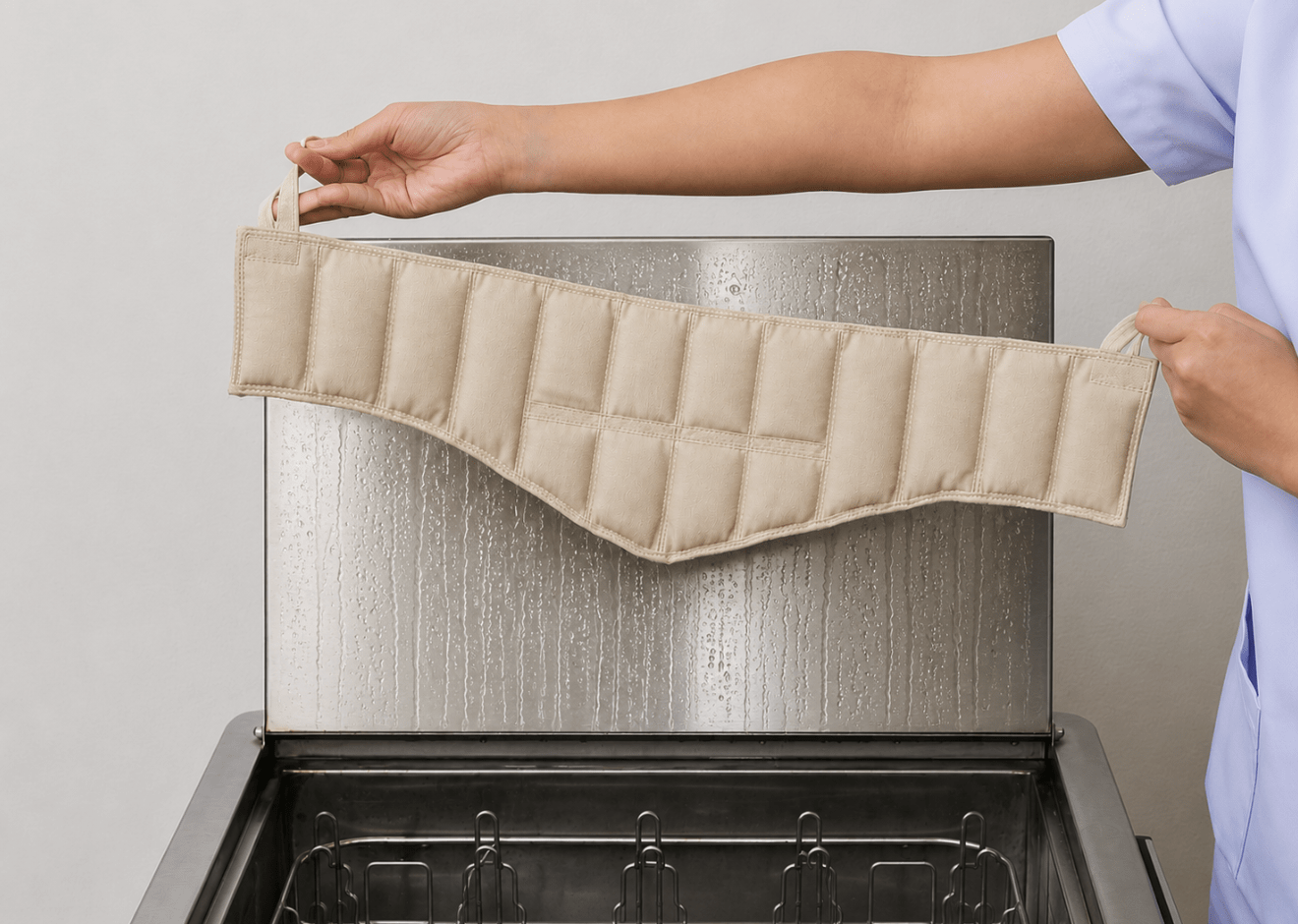
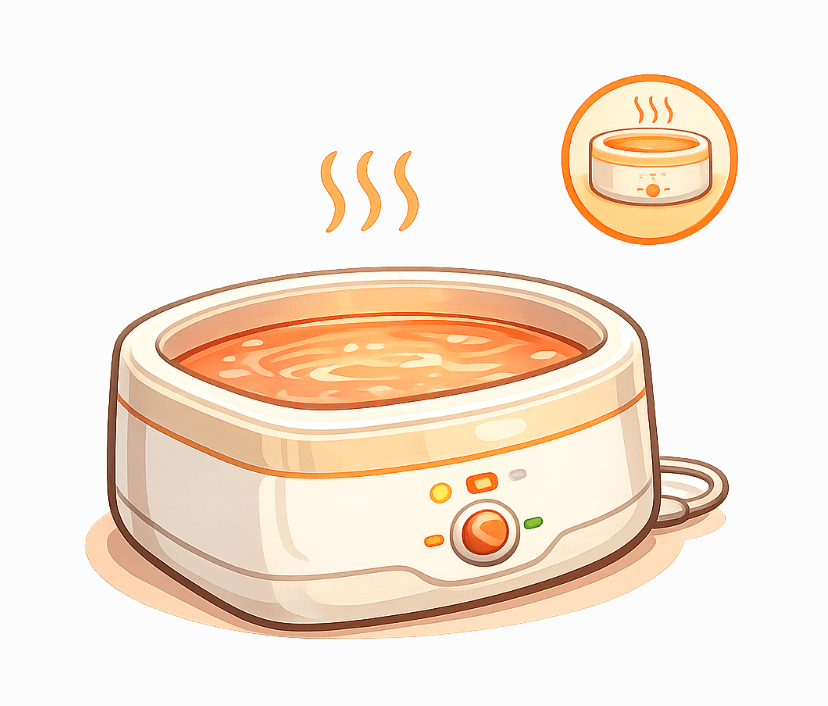
- Arthritis.
- Joint stiffness.
- Chronic hand pain.
- Improving mobility before exercise.
.
Whirlpool Therapy. Whirlpool therapy combines warm water with gentle movement to:
- Increase circulation.
- Relax muscles.
- Reduce joint stiffness.
- Improve comfort during movement.
- Assist with gentle range of motion exercises.
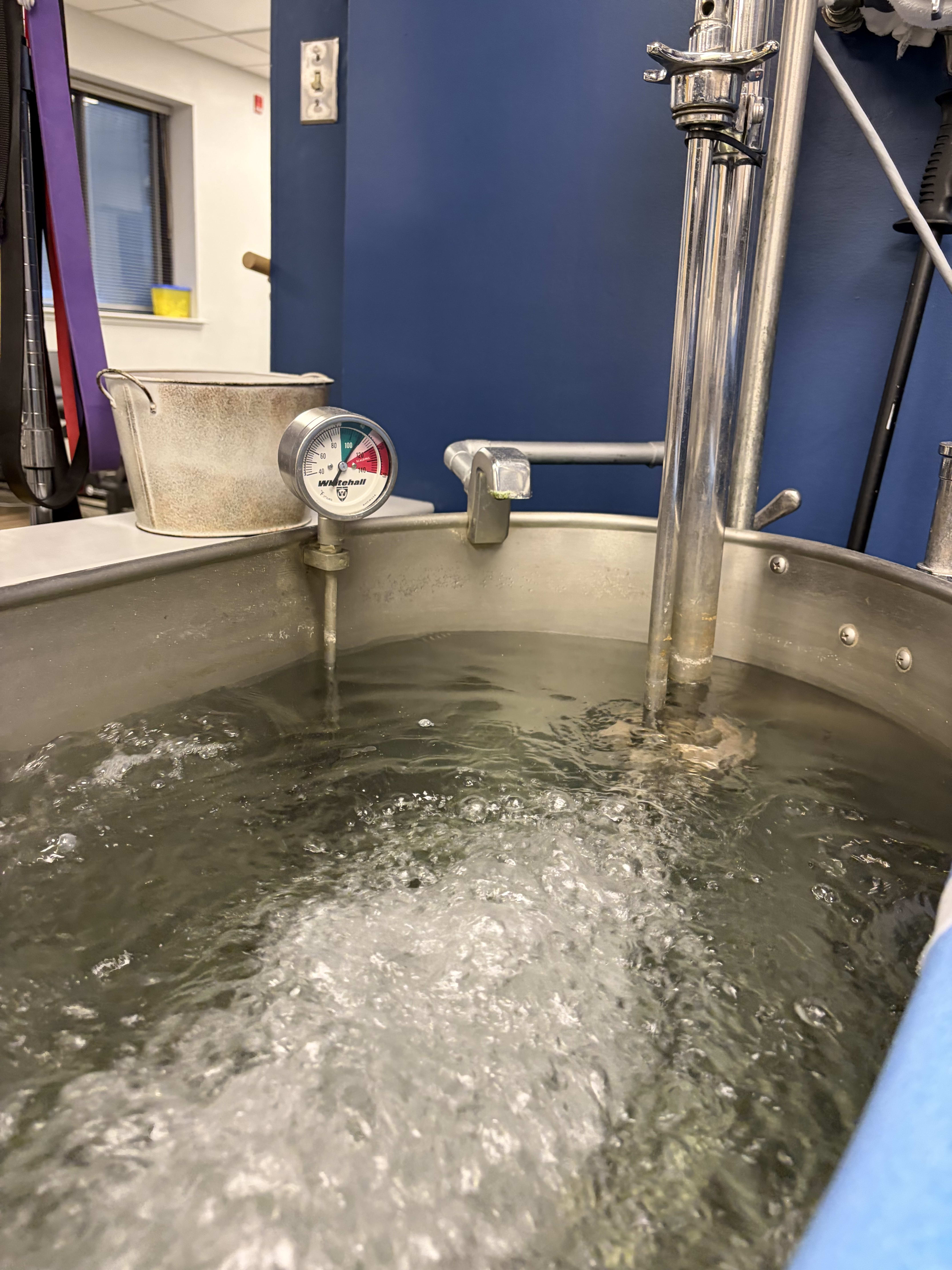
Heat therapy is generally most beneficial for chronic pain, muscle tightness, and stiffness rather than new injuries.
Cryotherapy (Cold Therapy)
Cryotherapy uses cold to decrease pain, swelling, and inflammation following injury or strenuous activity. Examples include:
Ice Packs. Ice packs are commonly applied for 10-20 minutes to help:
- Reduce swelling.
- Decrease inflammation.
- Relieve pain.
- Limit tissue damage following an acute injury.
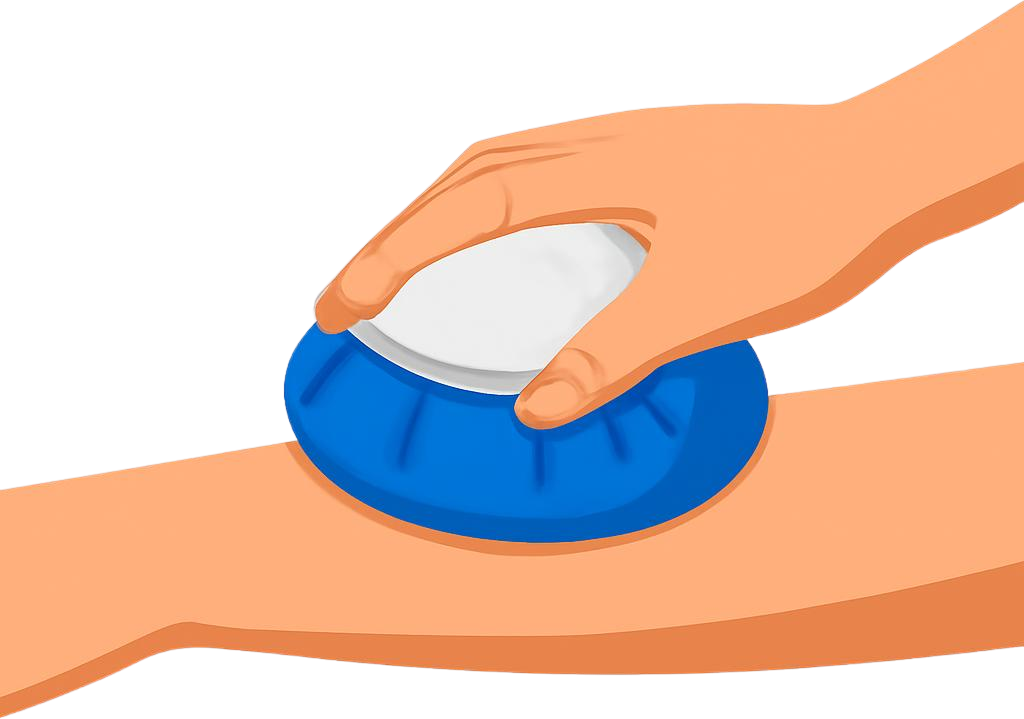
Ice Massage. Ice massage involves moving ice directly over a small treatment area for several minutes. It is often used for:
- Tendon injuries.
- Muscle strains.
- Localized pain.
- Trigger points.
Cryocuff. A CryoCuff combines cold therapy with gentle compression to help reduce pain and swelling after surgery or injury. It may help:
- Reduce pain
- Decrease swelling
- Minimize inflammation
- Support recovery after orthopedic surgery
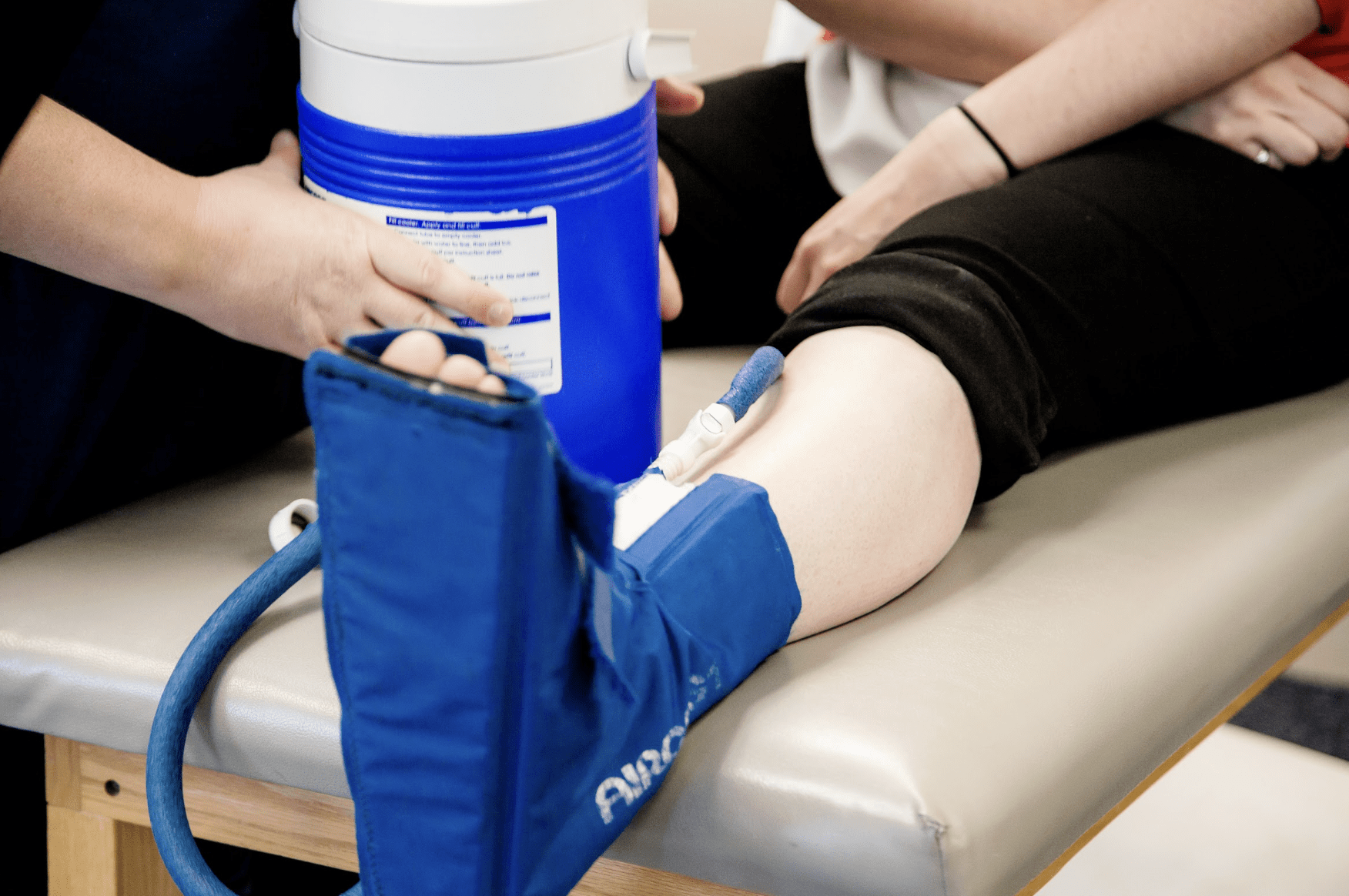
Cold therapy is typically recommended during the early stages of injury, especially within the first 24-72 hours when inflammation is greatest.
Electrotherapy
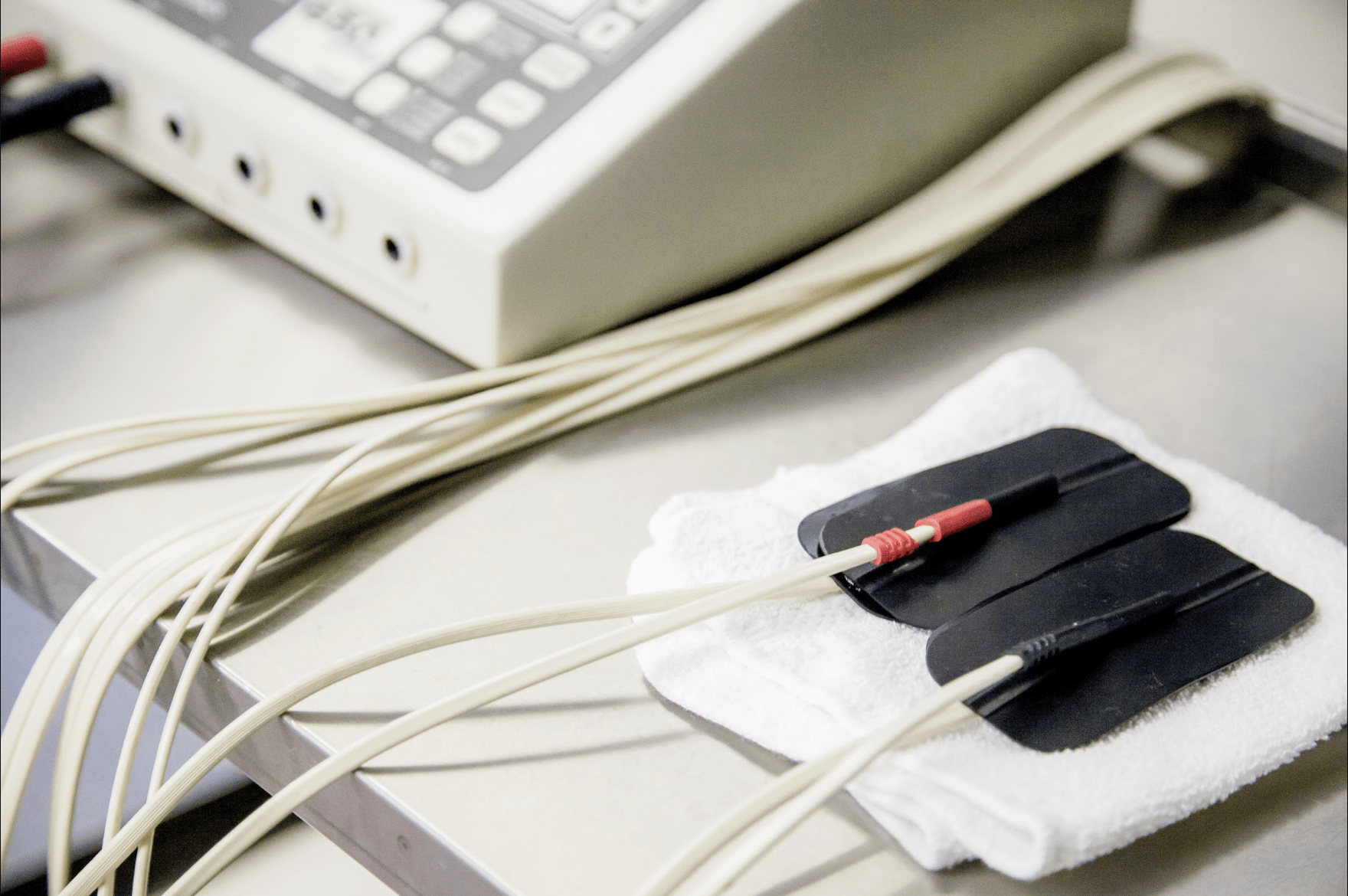
Electrotherapy is the use of controlled electrical currents or other forms of electrical stimulation. Electrodes or an applicator are placed on or near the affected area to help with pain relief, muscle activation, circulation, or tissue healing.
Transcutaneous Electrical Nerve Stimulation (TENS)
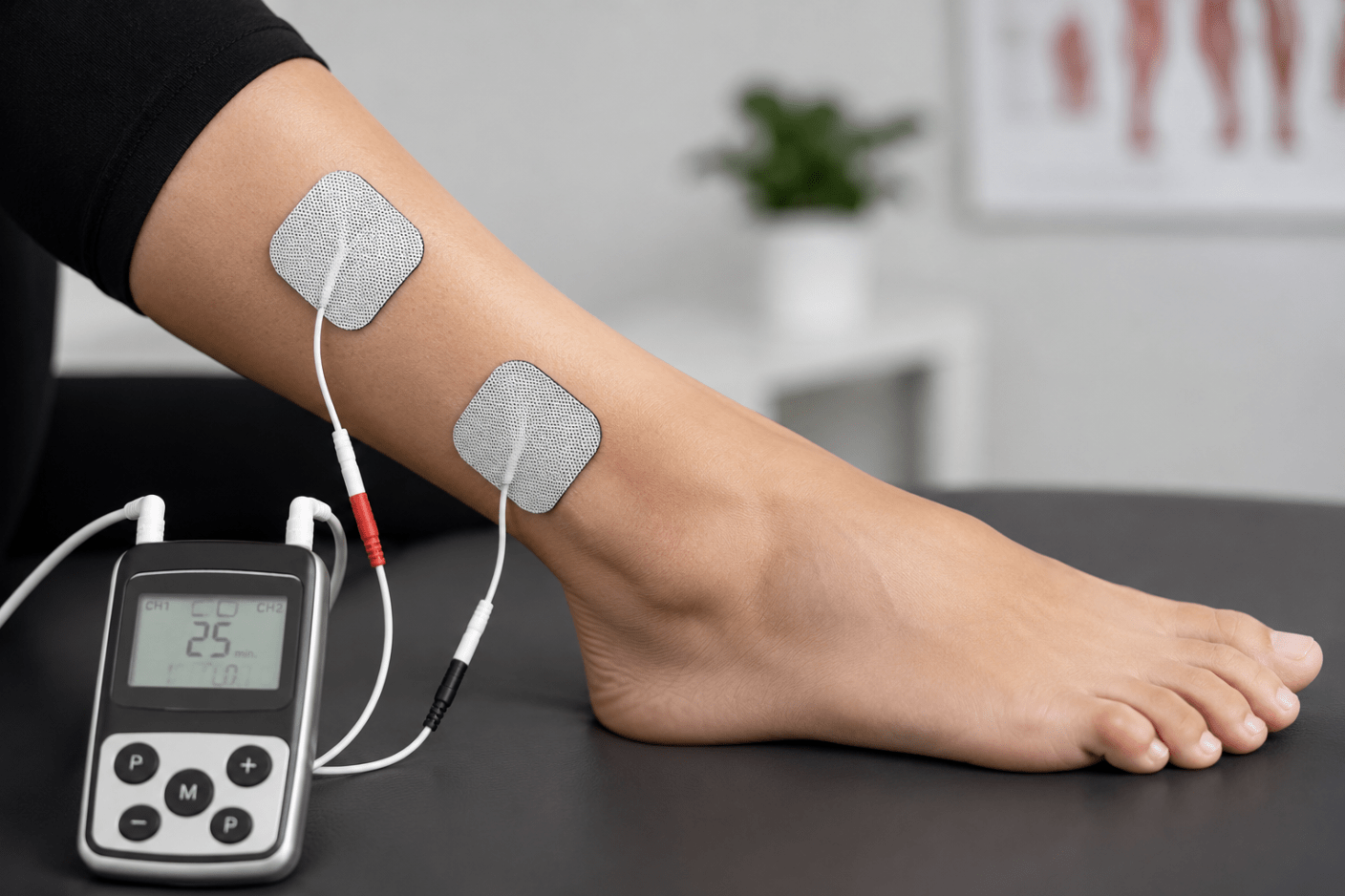
TENS uses small electrical impulses delivered through conductive electrodes placed on the skin. The stimulation helps reduce pain by interfering with pain signals travelling to the brain while also encouraging the release of the body's natural pain-relieving chemicals (endorphins). TENS may be recommended for:- Neck pain.
- Back pain.
- Arthritis.
- Chronic pain.
- Muscle soreness.
.
.
.
.
Neuromuscular Electrical Stimulation (NMES)
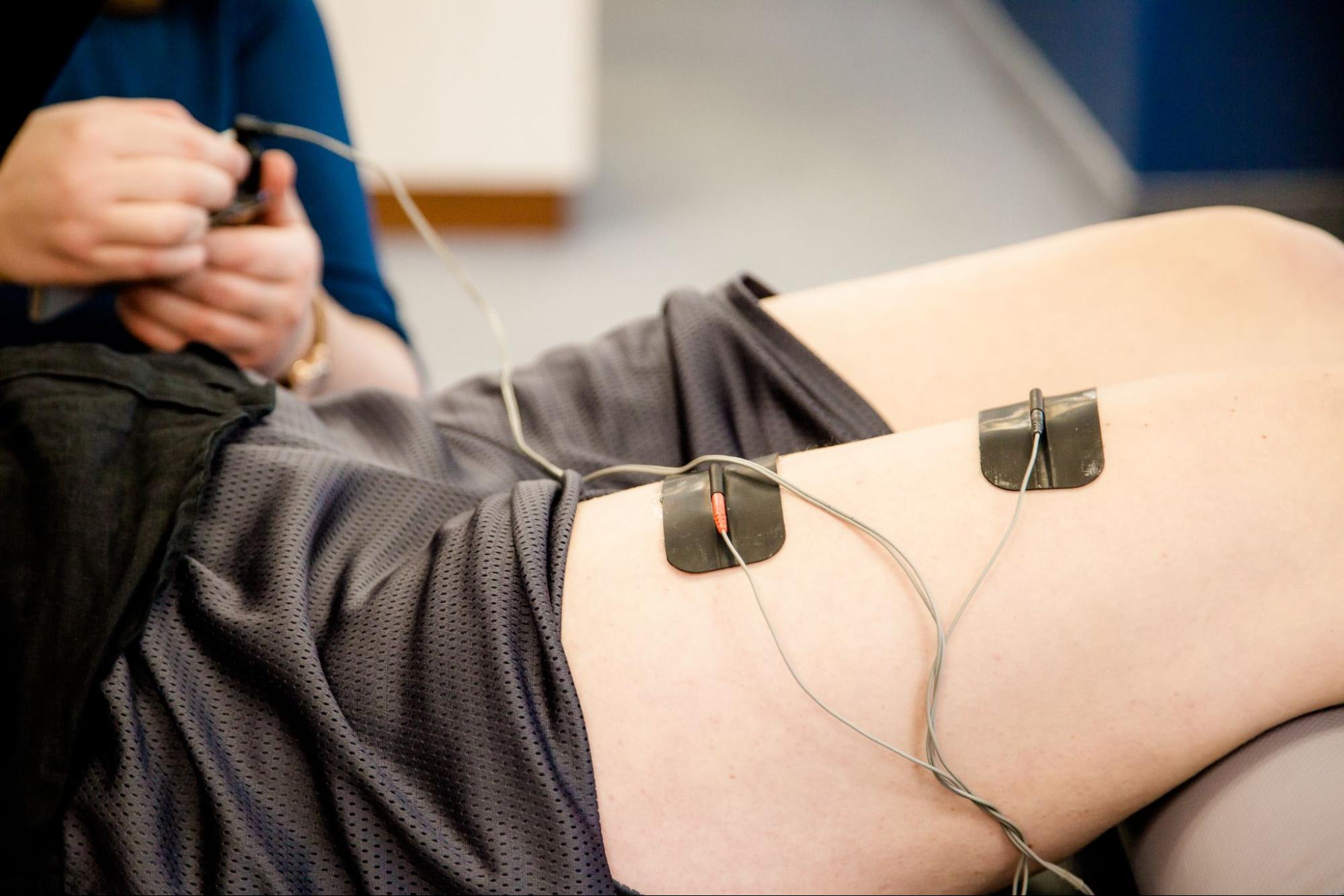
Unlike TENS, NMES (aka EMS) is designed to produce muscle contractions. Electrical stimulation activates the muscle, helping improve strength and muscle control when normal contraction is difficult. Sometimes physiotherapists will use NMES to help reduce tension in a muscle, trying to reboot its habits. NMES is commonly used after:- Knee surgery.
- ACL reconstruction.
- Joint replacement.
- Shoulder injuries.
- Neurological conditions.
- Prolonged immobilization.
- Prevent muscle weakness.
- Improve muscle activation.
- Increase strength.
- Support functional recovery.
.
.
.
.
.
Interferential Current (IFC)
Interferential Current (IFC) is another form of electrical stimulation that uses two medium-frequency currents that intersect within the tissues. Compared to TENS, IFC is often used to treat larger or deeper areas of pain and may help:- Reduce pain.
- Decrease muscle spasms.
- Improve circulation.
- Reduce swelling.
- Promote relaxation.
.
.
Therapeutic Ultrasound
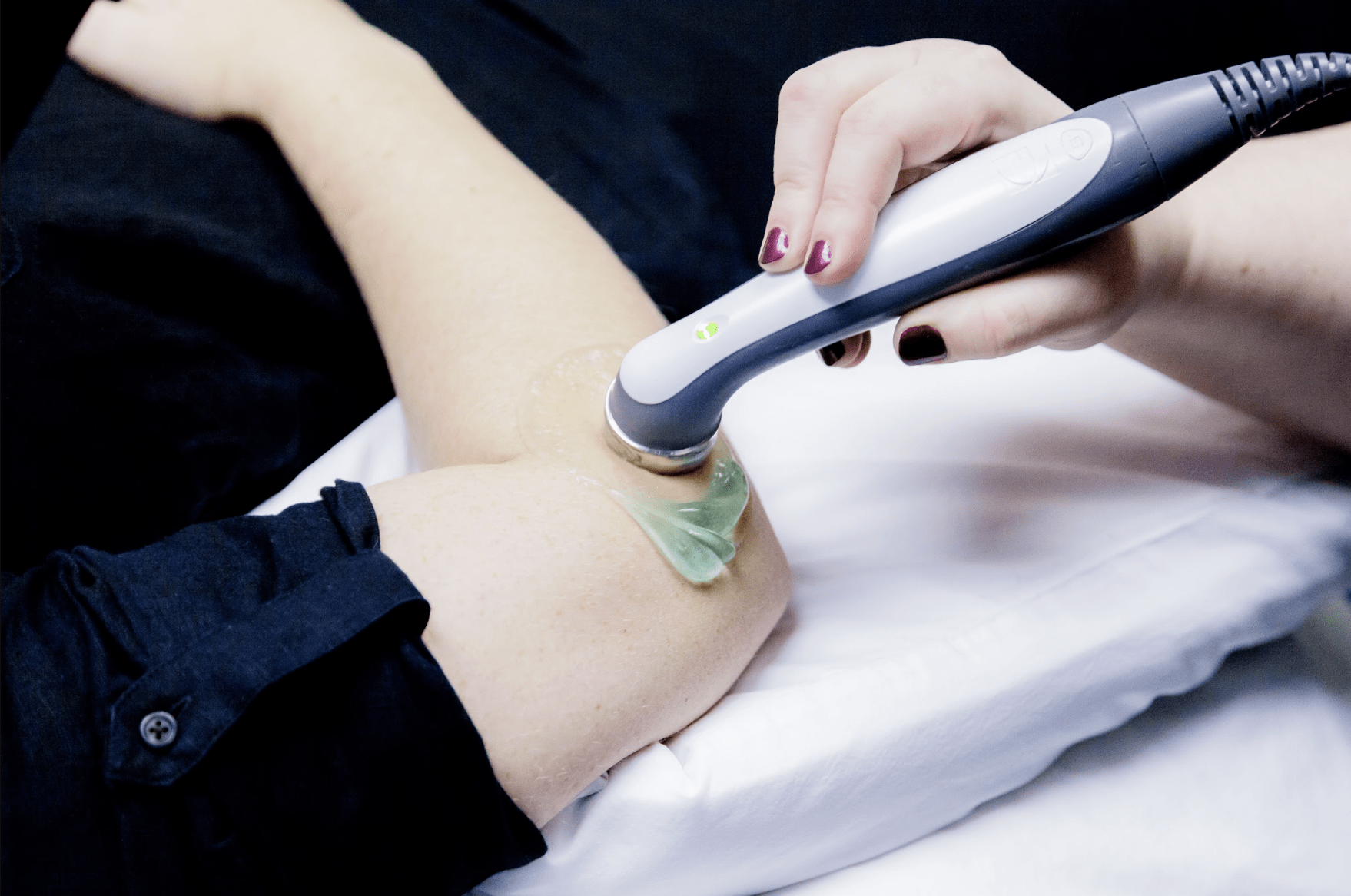
- Promote tissue healing.
- Break up adhesions and calcifications.
- Improve circulation.
- Decrease muscle tightness.
- Increase tissue flexibility.
Shockwave Therapy
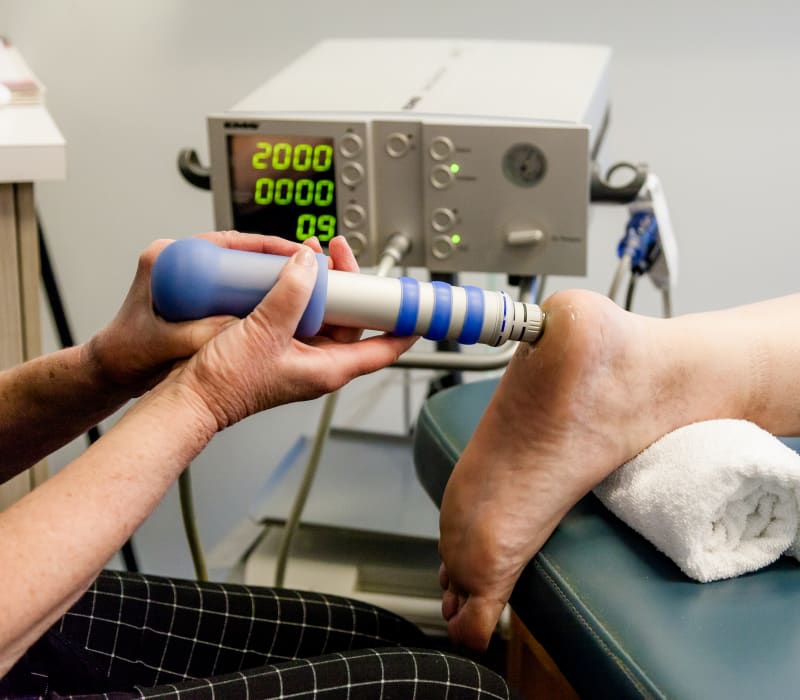
- Reduce pain.
- Increase blood flow in surrounding tissues.
- Stimulate collagen formation and healing.
- Dissolve calcifications in soft tissues.
- Help restore mobility and function.
When Are Modalities Used?
Your physiotherapist may recommend therapeutic modalities to help manage symptoms before or alongside active rehabilitation. They may be used to:- Reduce pain.
- Decrease swelling.
- Improve circulation.
- Relax muscles.
- Reduce muscle spasms.
- Improve joint mobility.
- Promote tissue healing.
- Improve muscle activation before exercise.
Let Us Help You Recover!
Therapeutic modalities can be an effective way to reduce pain, improve comfort, and support your rehabilitation when used alongside evidence-based physiotherapy treatment. Whether you are recovering from an injury, managing chronic pain, or returning after surgery, our physiotherapists at Nepean Sports Medicine and Physiotherapy Centre will create a personalized treatment plan tailored to your goals. Book an assessment today and let us help you move and feel your best!